
Key Takeaways
Strategic landscaping can directly increase rental income and property value
Well-designed outdoor spaces attract higher-quality tenants
Low-maintenance landscaping protects long-term profitability
First impressions influence leasing speed and tenant interest
Consistent upkeep reduces vacancies and improves tenant retention
Why Landscaping Matters More Than You Think
When landlords evaluate ways to improve their rental properties, the focus often stays indoors—upgraded kitchens, fresh paint, or modern fixtures. While those improvements are important, the exterior of your property plays a major role in shaping tenant perception and driving results. In competitive rental markets like Salt Lake City, landscaping is no longer optional—it’s a key part of your investment strategy.
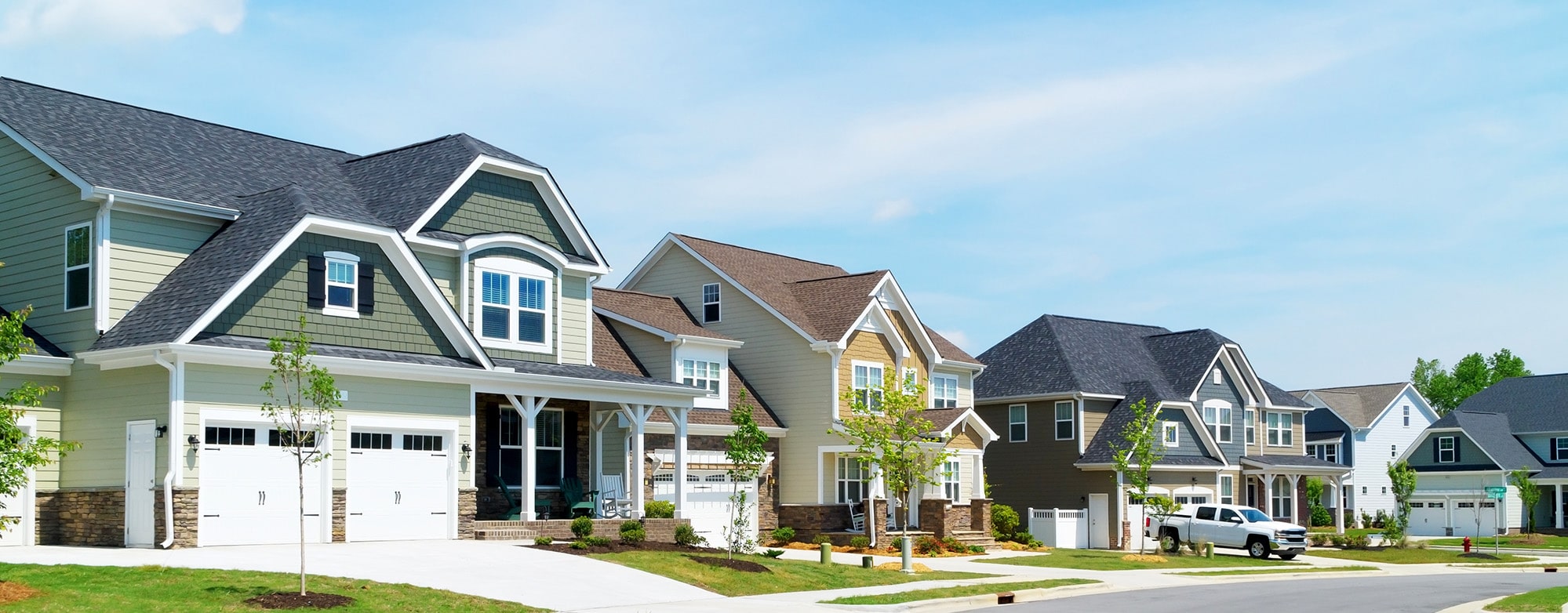
The exterior is the first thing prospective tenants see, and that first impression happens fast. A clean, well-maintained yard signals that the property is cared for and professionally managed. On the other hand, neglected landscaping can create doubt before a tenant even steps inside. That initial reaction can determine whether a showing leads to an application—or gets passed over entirely.
How Landscaping Impacts Rental Value
Landscaping directly influences how tenants perceive value. A property with a welcoming outdoor space often feels more complete and livable, allowing landlords to justify higher rent. Even simple enhancements—like trimmed shrubs, fresh mulch, or defined walkways—can elevate the overall experience.
Outdoor areas also act as an extension of the home. In Utah, where seasonal changes bring opportunities to enjoy outdoor space, tenants appreciate properties that offer functional and visually appealing exteriors. This added usability can make your property stand out in a crowded market.
Designing for Low Maintenance and Long-Term Savings
While appearance is important, smart landlords know that sustainability and cost control matter just as much. High-maintenance landscaping can quickly eat into your profits through frequent upkeep, repairs, and replacements.
Choosing drought-resistant plants, installing efficient irrigation systems, and using durable materials can significantly reduce ongoing expenses. These decisions not only protect your bottom line but also ensure that your property maintains a polished look year-round.
The Role of Landscaping in Tenant Retention
Landscaping doesn’t just attract tenants—it helps keep them. Properties that feel clean, complete, and easy to maintain create a better living experience, which often leads to longer lease terms and fewer turnovers.
Tenants are more likely to respect and care for a property that is clearly well-maintained. Functional outdoor spaces—like tidy lawns, shaded areas, or simple seating spots—add comfort without increasing complexity. These small details can make a big difference in how tenants feel about their home.
Reducing turnover is one of the most effective ways to protect your rental income, and landscaping plays a subtle but powerful role in achieving that.
Consistency Across Your Rental Portfolio
For landlords managing multiple properties, consistency is key. Establishing a standard for landscaping across your portfolio helps streamline maintenance and creates a recognizable level of quality.
When each property meets a certain visual standard, it becomes easier to market listings and manage expectations. Consistency also simplifies vendor relationships and maintenance schedules, saving time and reducing operational headaches.
Planning Landscaping as a Long-Term Investment
One of the biggest mistakes landlords make is treating landscaping as a one-time project instead of an ongoing strategy. The most successful rental properties are those that evolve over time, with regular maintenance and occasional upgrades to stay competitive.
Small, consistent improvements—like seasonal cleanups or minor design updates—can keep your property looking fresh without requiring major renovations. Over time, these efforts compound, helping you maintain strong rental performance and property value.
Maximizing Leasing Potential Through Exterior Appeal
In today’s rental market, online listings are often the first point of contact between your property and potential tenants. Landscaping plays a crucial role in how your property photographs and presents itself digitally.
Properties with clean, attractive exteriors tend to generate more interest, leading to increased showings and faster leasing. This reduces vacancy periods and helps maintain steady cash flow.
Even modest upgrades can improve how your property is perceived online, making landscaping one of the most cost-effective ways to boost marketing performance.
Turn Smart Upgrades Into Stronger Returns
Landscaping isn’t just about appearance—it’s a strategic upgrade that supports every phase of your rental’s success. From attracting high-quality tenants to reducing turnover and controlling maintenance costs, a well-maintained exterior plays a direct role in your property’s long-term performance.
If you’re ready to take a more proactive approach to maximizing your investment, Wolfnest can help you get there. With the right team behind you, you can simplify operations, protect your asset, and position your property to consistently perform in the Salt Lake City market.
FAQs
Does landscaping really increase rental income?
Yes, properties with attractive and well-maintained landscaping often command higher rent and attract more qualified tenants.
What type of landscaping is best for rental properties?
Low-maintenance, climate-appropriate landscaping is ideal for reducing costs while maintaining visual appeal.
Should landlords or tenants handle landscaping?
This depends on the lease, but many landlords manage it to ensure consistency and avoid potential issues.
How often should landscaping be updated?
Regular maintenance should be ongoing, with periodic updates to keep the property looking fresh and competitive.
Is landscaping worth the investment for smaller properties?
Absolutely. Even small improvements can significantly impact tenant perception and rental performance.
Summarize this content with AI:
Chat GPTGrok
Perplexity
Claude.ai